Location | Advantage | Shortcoming |
Under the windshield | Optimal signal reception and wide satellite visibility | Exposure is easy to detect and may be affected by thermal insulation film |
Inside the dashboard | Strong concealment and less electromagnetic interference | Avoid metal brackets, which may affect the signal. |
Roof exterior | Optimal signal strength (unobstructed) | Easy to destroy, not hidden |
Behind the rearview mirror | Taking into account both concealment and signal reception | Avoid heating wires or metal structures |
Under the seat | Highly concealed | Metal chair supports may cause signal degradation |
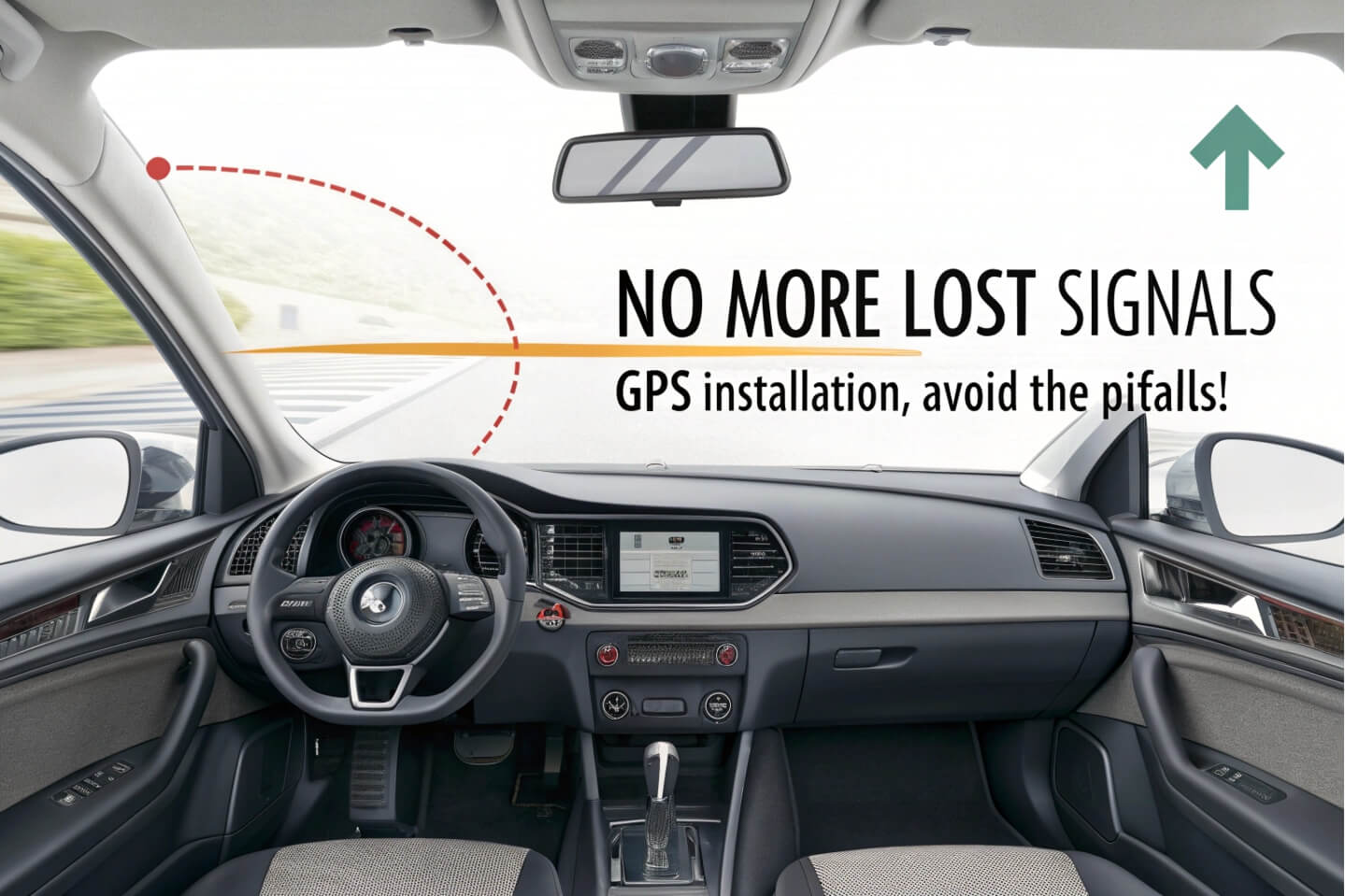
First of all, we need to know the main factors that affect signal strength :
1. Obstructions
Metal obstruction: Metal frames, hoods, trunks, etc. will reflect or absorb GPS signals, causing signal attenuation.
Thermal film: Windshield or window film with metal coatings may block the signal.
2. Installation direction
Antenna facing the sky: The GPS antenna needs to face the sky to receive satellite signals. If it is inverted or sideways (such as in the door compartment), the signal may be blocked.
Horizontal installation: Too large a tilt angle will affect the satellite coverage.
3. Electromagnetic interference
Being close to vehicle electronic equipment (such as ECU, central control screen, reversing radar) may cause electromagnetic interference, so you need to keep a certain distance.

没有评论:
发表评论