https://www.targestargps.com/how-to-locate-and-remove-hard-wired-gps-trackers-in-used-cars.html
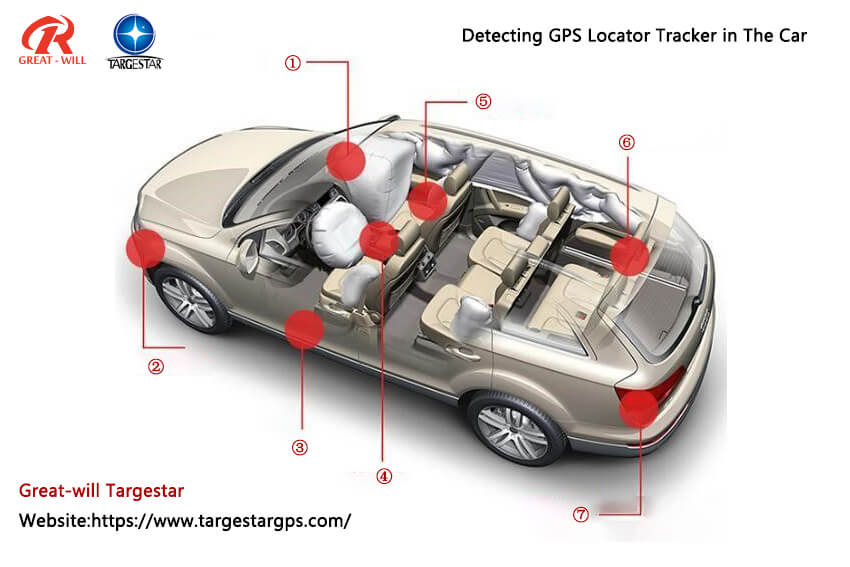
Search Techniques:
1. Inspect the Dashboard:
The dashboard is a common location for tracker installation. Check for any unusual hard wired gps tracker for car or attachments on the dashboard. Small tool gps tracking device trackers may be concealed within the dashboard or under coverings.
Pay attention to any unusual cables or devices, especially in areas related to the vehicle's communication systems.
2. Examine the Bumpers:
Hardwired vehicle gps tracker may be installed inside the vehicle's bumpers. Inspect the front and rear bumpers, especially at seams and gaps. Using hand tools like a screwdriver, carefully check these areas for any external attachments.
Small tool gps tracking trackers may be hidden in these locations because they are relatively easy to install and less likely to be discovered.
3. Inspect the Battery Terminals:
Advanced wired vehicle gps trackers may connect to the vehicle's battery terminals for a stable power source. Thoroughly examine the battery terminals for any additional cables or devices connected to the battery. Exercise caution during this process to ensure you know what you are doing and avoid damaging the vehicle's electrical system.
4. Check the Interior:
Carefully inspect the vehicle's interior, including under seats, in the trunk, and on the ceiling. Car GPS tracker device may be cleverly concealed in these areas, especially for those who wish to maintain discreet monitoring.
5. Use Professional Detection Tools:
There are professional detection tools available in the market that can help you discover hard wired gps tracker for car. These tools can typically detect wireless signals or electromagnetic waves, assisting you in determining if the vehicle is under surveillance. When using such tools, ensure you have sufficient knowledge of their operation to avoid misleading results.
Installation Method of Wired GPS Trackers
Wired GPS trackers require connection to the vehicle's power supply line to ensure continuous and stable operation. Before installation, you need to prepare some basic tools, such as insulating tape, a screwdriver, and a wire stripper.
The common connection points are the positive and negative terminals of the vehicle battery. The positive terminal is generally connected to a red wire, and the negative terminal to a black wire. Locate the battery, then use a screwdriver to carefully loosen the screws of the battery terminal posts.
Connect the red power supply wire of the GPS tracker to the positive terminal of the battery and the black power supply wire to the negative terminal. After that, tighten the screws to ensure a firm connection, and wrap the connection points with insulating tape to prevent short circuits and electric leakage.
In addition, some wired GPS trackers may also need to be connected to the vehicle's ACC wire (i.e., the power supply wire controlled by the key), so that the tracker starts working when the vehicle is started and enters a low - power consumption mode when the vehicle is turned off. The ACC wire can generally be found in the vehicle's fuse box or the wiring harness behind the dashboard. You can use a test light to check.
When the vehicle key is turned to the ACC position, the wire that makes the test light light up is the ACC wire. Once the ACC wire is located, use a wire stripper to remove a small section of the insulation sheath, connect the corresponding ACC wire of the tracker to it, and wrap it with insulating tape as well. During the installation process, pay special attention to safety to avoid short circuits between the positive and negative terminals, and it is recommended to operate with the vehicle power turned off.

没有评论:
发表评论