2025年7月30日星期三

Have you placed the GPS Tracker in the correct installation position inside the car

https://www.targestargps.com/blog/have-you-placed-the-gps-tracker-in-the-correct-installation-position-inside-the-car.html


Location

Advantage

Shortcoming

Under the windshield

Optimal signal reception and wide satellite visibility

Exposure is easy to detect and may be affected by thermal insulation film

Inside the dashboard

Strong concealment and less electromagnetic interference

Avoid metal brackets, which may affect the signal.

Roof exterior

Optimal signal strength (unobstructed)

Easy to destroy, not hidden

Behind the rearview mirror

Taking into account both concealment and signal reception

Avoid heating wires or metal structures

Under the seat

Highly concealed

Metal chair supports may cause signal degradation


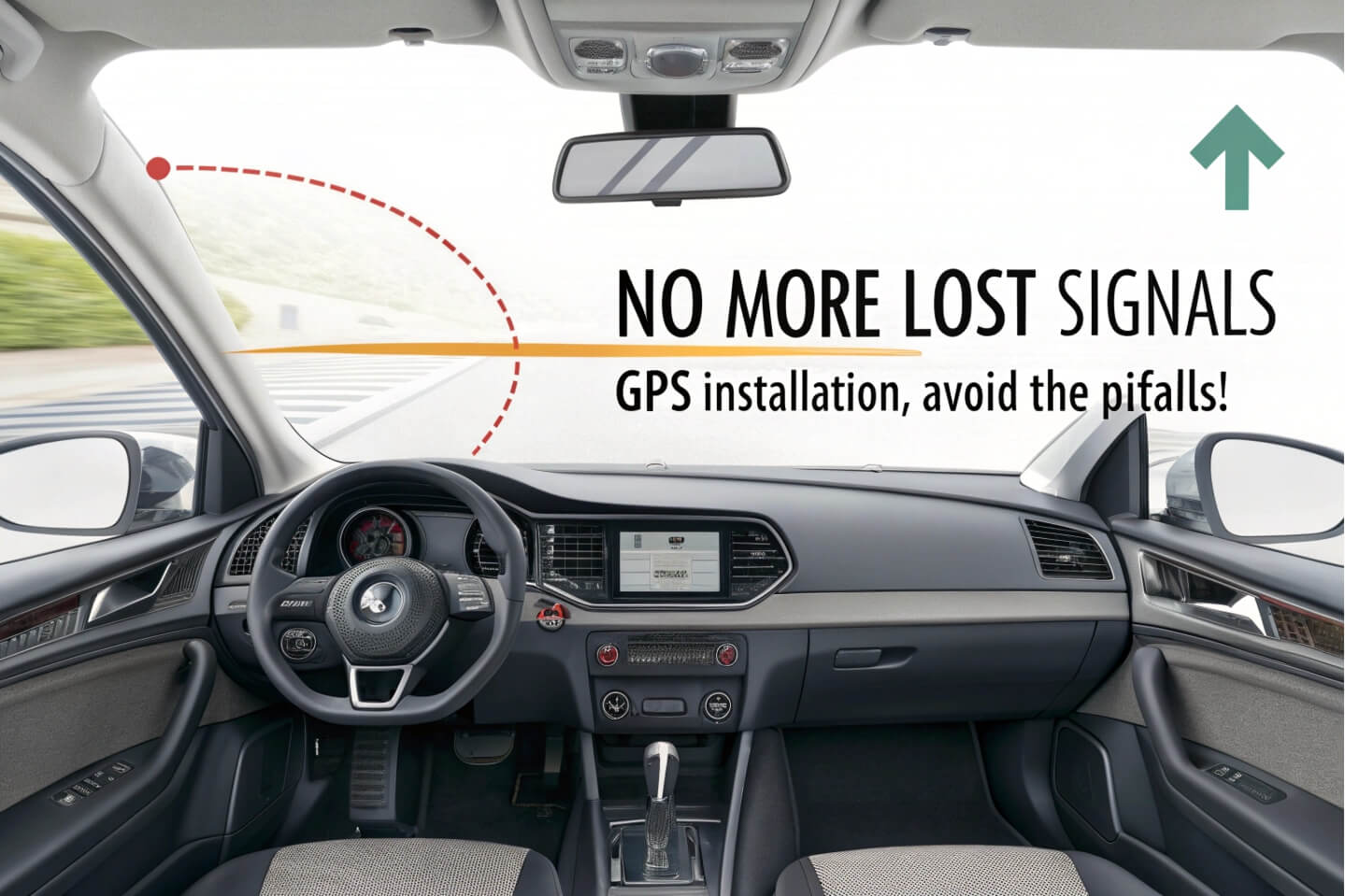
First of all, we need to know the main factors that affect signal strength :

1. Obstructions

Metal obstruction: Metal frames, hoods, trunks, etc. will reflect or absorb GPS signals, causing signal attenuation.

Thermal film: Windshield or window film with metal coatings may block the signal.

2. Installation direction

 Antenna facing the sky: The GPS antenna needs to face the sky to receive satellite signals. If it is inverted or sideways (such as in the door compartment), the signal may be blocked.

Horizontal installation: Too large a tilt angle will affect the satellite coverage.

3. Electromagnetic interference

Being close to vehicle electronic equipment (such as ECU, central control screen, reversing radar) may cause electromagnetic interference, so you need to keep a certain distance.


Cómo rastrear el vehículo con GPS

 https://www.targestargps.com/spa/blog/how-to-track-vehicle-with-gps.html


Tipos de rastreadores GPS

Tipo

Características

Escenarios aplicables

Rastreadores con cable

Alta ocultación (se puede ocultar en los parachoques), requiere una instalación profesional, depende de la energía del vehículo

Monitoreo a largo plazo de vehículos colaterales, flotas empresariales

Rastreadores inalámbricos

Diseño magnético/portátil, con batería, admite el despertar remoto (en espera durante meses)

Seguimiento temporal, antirrobo para vehículos de alquiler

Rastreadores OBD

Plug-and-play (se conecta al puerto de diagnóstico a bordo), compatible con algunos modelos para leer datos de consumo de kilometraje/combustible

Propietarios de automóviles personales, gestión de vehículos de transporte

Características centrales de los rastreadores GPS
  • Seguimiento en tiempo real: Capacidad para ver la ubicación actual, la velocidad y la dirección de un vehículo a través de dispositivos móviles o computadoras.
  • Reproducción de trayectoria histórica: Soporte para consultar rutas de viaje dentro de un plazo pasado específico (por ejemplo, datos de los últimos tres meses).
  • Geofencing: Capacidad para establecer límites virtuales (por ejemplo, alrededor de las escuelas o almacenes) y recibir alertas cuando los vehículos ingresan o salgan de estas áreas.
  • Notificaciones de alerta: Recordatorios en tiempo real de anormalidades como exceso de velocidad, vibración o desconexión de energía, entregados a través de APP, SMS o correo electrónico.
  • Fuente de alimentación:Rastreadores GPS con cableestán conectados al puerto OBD de un vehículo o una caja de fusibles para la energía, mientras querastreadores GPS inalámbricosConfíe en baterías (con una vida útil de 30-90 días, dependiendo de la frecuencia de carga de datos).
  • Calificación impermeable y a prueba de polvo: Cumplir con los estándares IP67 o superiores para la protección contra la lluvia y el polvo.
  • Ocultación de instalación: Tamaño del dispositivo compacto (por ejemplo, tamaño de la caja de cerillas) y soporte para la fijación magnética para una instalación fácil y discreta

2G SIM Card for GPS Tracker with A Perfect Combination of Cost-Effectiveness and Practicality

https://www.targestargps.com/blog/2g-sim-card-for-gps-tracker-with-a-perfect-combination-of-cost-effectiveness-and-practicality.html


 Why Choose a 2G Tracker?

Advantages of 2G GPS Trackers

Lower Cost
2G GPS trackers are typically cheaper than 4G GPS trackers because they use older and less expensive technology. This makes 2G GPS tracking device locators a more cost-effective choice for businesses or individuals with tight budgets.

Longer Battery Life
2G GPS trackers consume less power than 4G GPS trackers, meaning they can run for longer periods on a single charge. This makes them ideal for tracking assets that are not frequently or continuously used.

Ideal for Remote Areas
In remote or rural areas, 2G networks often have better coverage than 4G networks. This makes 2G GPS trackers the perfect choice for tracking assets in these locations, where other network technologies may be unreliable.

How to Check Car Built in DVR Dash Cam Via 4 Easy Steps to Find Out

 https://www.targestargps.com/blog/how-to-check-car-built-in-dvr-dash-cam-via-4-easy-steps-to-find-out.html


In today's modern world, DVR dash cam have become an essential accessory for many drivers. They not only help us record accidents and incidents during our journeys but also provide valuable evidence.
However, when renting or purchasing a used vehicle, you may sometimes be unsure whether a dash cam is already installed. Below, we will outline four easy steps to help you determine if your car is equipped with a dash cam.
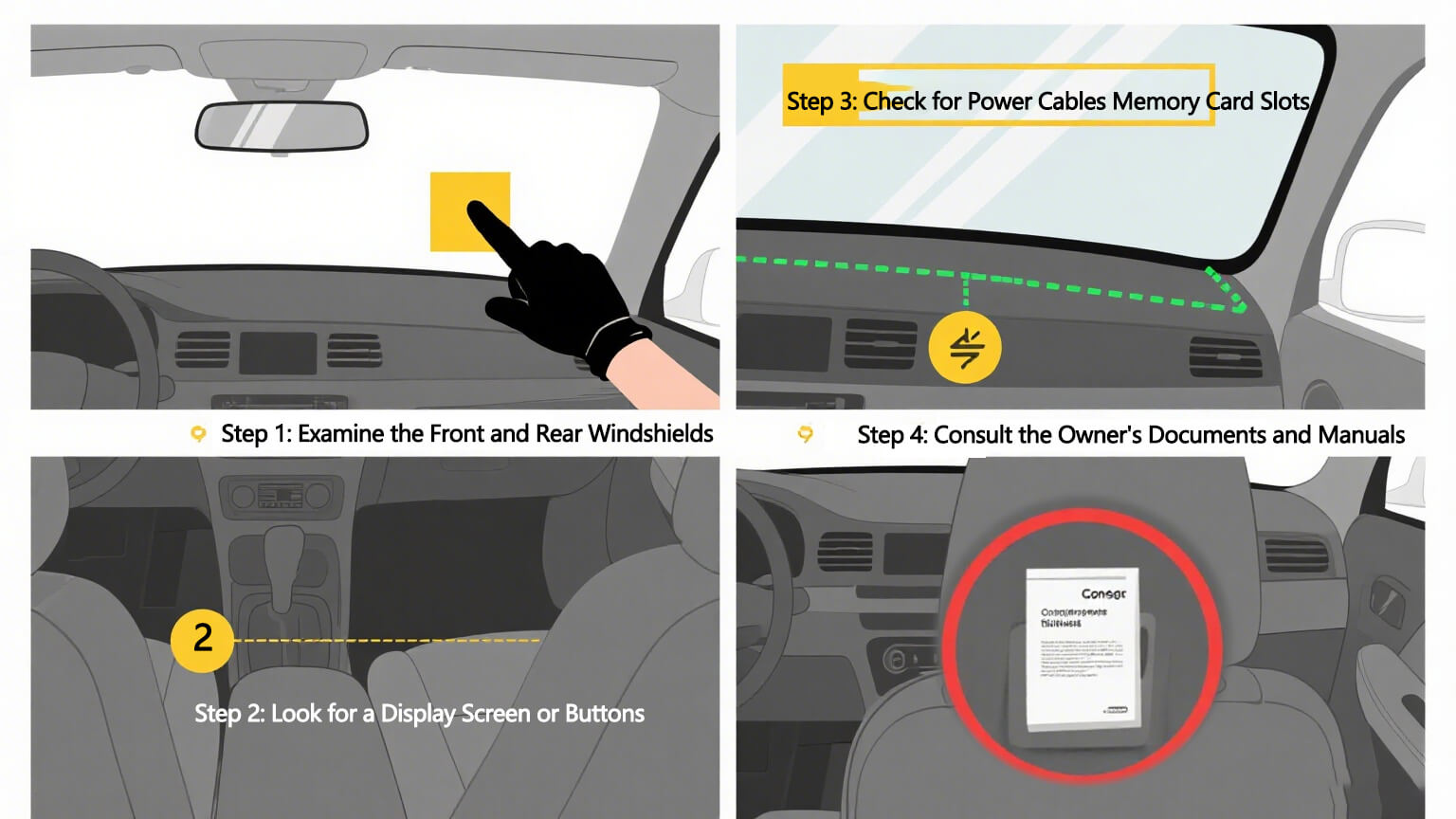
Step 1: Examine the Front and Rear Windshields
First, carefully inspect the front and rear windshields of your vehicle for any signs of a camera installation. Video recorder car dvr dash cam are typically placed at the top or bottom of the front windshield to ensure they capture the view of the road ahead.
Some vehicles may also have additional cameras installed near the rear windshield or side windows to record the surroundings. DVR dash cam lenses are usually discreet and may blend with the vehicle's interior to avoid drawing attention.
If you spot a small camera lens or housing on the windshield, it's likely that your car is equipped with a DVR dash cam. Additionally, some vehicles may have visible cables or wires on the windshield, which are typically connected to wide angle car dash cam for power supply and data transmission.
 Step 2: Look for a Display Screen or Buttons
Car dvr dash cam typically feature a display screen or a set of buttons for video playback and configuration. These screens are commonly placed on the vehicle's dashboard or near the rearview mirror. The size and location of the screen may vary depending on the vehicle model, but they are generally smaller than a smartphone screen.
If you find a small LCD screen, it will often display video footage or provide access to configuration options. Some DVR dash cams have an automatic on/off feature to save power, so try starting the vehicle and check if the screen lights up or press the buttons to see if there is any response.
If you can access video playback options, it's a clear indicator that your car is equipped with a wide angle car dash cam.
Step 3: Check for Power Cables and Memory Card Slots
video car dvr dash cam typically require power and use memory cards to store video recordings. Check the interior of the vehicle for any additional power cables, which are usually connected to the vehicle's power outlet to supply HD DVR dash cam.
These cables are often discreetly hidden within the vehicle's interior to maintain a clean appearance. If you find such a cable, it's likely connected to wide angle car dash cam at the back or bottom of the device.
Additionally, look for a memory card slot, typically located on the side or bottom of DVR dash cam. This slot is designed for easy insertion and removal of memory cards, allowing for data transfer and storage. If you find both the power cable and memory card slot, it's a strong indicator that your car is equipped with a car dash cam.
 
Step 4: Consult the Owner's Documents and Manuals
Finally, consult the vehicle's owner documents and manuals to determine if  car dvr dash cam is installed. The owner's documents usually contain information about the vehicle's configuration and features, including details about any installed equipment like a dash cam.
Vehicle manufacturers often provide comprehensive information in these documents. If you cannot find relevant information in the owner's documents, check the vehicle's user manual. The user manual typically includes details about the vehicle's equipped features, including the dvr dash cam's model and functionality.
By following these four easy steps, you can confidently determine whether your car is equipped with a dash cam. If you do discover a wide angle dashcam, you can drive with more peace of mind and be better prepared to handle any potential accidents or disputes.
If your vehicle doesn't have a dash cam, consider purchasing one to enhance driving safety and record important events during your journeys. Regardless of the outcome, knowing whether driving video recorder dvr dash cam is beneficial for every driver. These tips can help you make more informed decisions when buying or renting a vehicle, ensuring a safer and more transparent driving experience.

How to Used Hard Wired GPS Tracker Locate and Track Cars

 https://www.targestargps.com/how-to-locate-and-remove-hard-wired-gps-trackers-in-used-cars.html


Search Techniques:
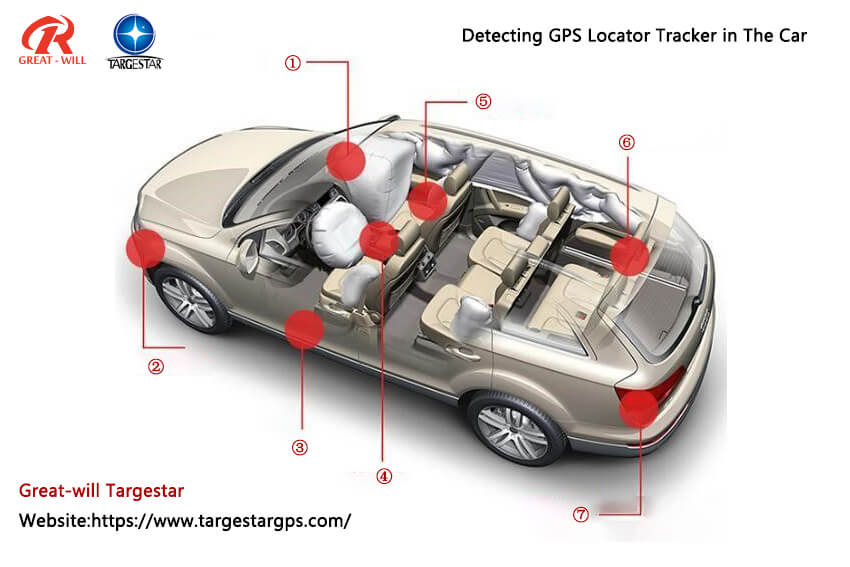
1. Inspect the Dashboard:
   The dashboard is a common location for tracker installation. Check for any unusual hard wired gps tracker for car or attachments on the dashboard. Small tool gps tracking device trackers may be concealed within the dashboard or under coverings.
Pay attention to any unusual cables or devices, especially in areas related to the vehicle's communication systems.
2. Examine the Bumpers:
   Hardwired vehicle gps tracker may be installed inside the vehicle's bumpers. Inspect the front and rear bumpers, especially at seams and gaps. Using hand tools like a screwdriver, carefully check these areas for any external attachments.
Small tool gps tracking trackers may be hidden in these locations because they are relatively easy to install and less likely to be discovered.
3. Inspect the Battery Terminals:
   Advanced wired vehicle gps trackers may connect to the vehicle's battery terminals for a stable power source. Thoroughly examine the battery terminals for any additional cables or devices connected to the battery. Exercise caution during this process to ensure you know what you are doing and avoid damaging the vehicle's electrical system.
4. Check the Interior:
   Carefully inspect the vehicle's interior, including under seats, in the trunk, and on the ceiling. Car GPS tracker device may be cleverly concealed in these areas, especially for those who wish to maintain discreet monitoring.
5. Use Professional Detection Tools:
   There are professional detection tools available in the market that can help you discover hard wired gps tracker for car. These tools can typically detect wireless signals or electromagnetic waves, assisting you in determining if the vehicle is under surveillance. When using such tools, ensure you have sufficient knowledge of their operation to avoid misleading results.
 

Installation Method of Wired GPS Trackers

Wired GPS trackers require connection to the vehicle's power supply line to ensure continuous and stable operation. Before installation, you need to prepare some basic tools, such as insulating tape, a screwdriver, and a wire stripper.
The common connection points are the positive and negative terminals of the vehicle battery. The positive terminal is generally connected to a red wire, and the negative terminal to a black wire. Locate the battery, then use a screwdriver to carefully loosen the screws of the battery terminal posts.
Connect the red power supply wire of the GPS tracker to the positive terminal of the battery and the black power supply wire to the negative terminal. After that, tighten the screws to ensure a firm connection, and wrap the connection points with insulating tape to prevent short circuits and electric leakage.
In addition, some wired GPS trackers may also need to be connected to the vehicle's ACC wire (i.e., the power supply wire controlled by the key), so that the tracker starts working when the vehicle is started and enters a low - power consumption mode when the vehicle is turned off. The ACC wire can generally be found in the vehicle's fuse box or the wiring harness behind the dashboard. You can use a test light to check.
When the vehicle key is turned to the ACC position, the wire that makes the test light light up is the ACC wire. Once the ACC wire is located, use a wire stripper to remove a small section of the insulation sheath, connect the corresponding ACC wire of the tracker to it, and wrap it with insulating tape as well. During the installation process, pay special attention to safety to avoid short circuits between the positive and negative terminals, and it is recommended to operate with the vehicle power turned off.